





























Introduction
As the world embraces a more data-driven approach to healthcare, personalized health management is emerging as a transformative concept. The idea is simple but powerful: to provide individuals with customized health advice, treatments, and strategies that are uniquely suited to their genetic makeup, lifestyle habits, and fitness activities. This approach stands in contrast to the one-size-fits-all model that has long dominated traditional healthcare, where recommendations are often generalized, failing to account for the individual nuances that affect each person’s health.
Thanks to advances in fields such as genomics, wearable technology, and data analytics, companies are now able to offer tailored health solutions that allow individuals to take proactive control over their well-being. Through the combination of genetic data, lifestyle analysis, and fitness tracking, these innovations offer the potential to prevent diseases, optimize physical performance, and enhance overall quality of life.
This article will explore the concept of personalized health management, examining how technology companies are using data to provide individualized health advice and solutions, the tools available to consumers, and the potential impact on both personal health and the broader healthcare system.
1. Understanding Personalized Health Management
1.1 The Foundation of Personalized Health
Personalized health management is based on the understanding that each individual’s body and health needs are unique. It integrates genetic information, environmental factors, lifestyle choices, and physical activity data to create a tailored health plan that aims to maximize an individual’s well-being.
The foundation of personalized health is built upon several core principles:
- Genetic Insights: Our DNA carries a wealth of information about our health, including predispositions to certain diseases, how our body processes nutrients, and how we may respond to medications. By analyzing this data, healthcare providers and tech companies can deliver customized health plans that take genetic predispositions into account.
- Lifestyle Factors: Factors such as diet, stress levels, sleep habits, and work-life balance have a profound impact on overall health. By assessing these factors, personalized health solutions can provide actionable advice tailored to a person’s habits and daily routines.
- Fitness and Physical Activity: The role of regular exercise and physical activity in maintaining good health cannot be overstated. Personalized health management takes into account a person’s fitness level, goals, and activity patterns to create a program that promotes better physical health and performance.
By aggregating these personalized data sources, technology companies can offer highly specific health recommendations that have the potential to prevent chronic diseases, optimize well-being, and promote healthier lifestyles.
1.2 The Role of Technology in Personalized Health
Technology plays a pivotal role in the development and implementation of personalized health management strategies. Key technological advancements enabling personalized health include:
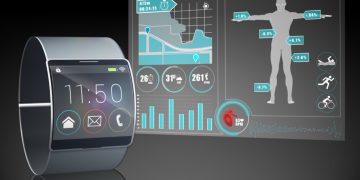
- Wearable Devices: Smartwatches, fitness trackers, and wearable health monitors such as those made by Fitbit, Apple, Garmin, and Oura allow users to track a wide variety of health metrics in real-time. These include steps, calories burned, heart rate, sleep quality, and more. Over time, data from these devices can be used to fine-tune fitness plans and health recommendations.
- Genomic Sequencing: Companies like 23andMe, AncestryDNA, and Living DNA offer genetic testing services that can reveal insights into a person’s genetic predispositions. This data helps individuals understand their risk for conditions such as heart disease, cancer, and diabetes, and can guide them in making preventative lifestyle choices.
- Health and Fitness Apps: Mobile applications that aggregate data from wearables and integrate with other health-related devices enable users to monitor their progress over time. These apps can offer personalized nutrition advice, exercise plans, and wellness goals based on an individual’s fitness level and health history.
- AI and Data Analytics: Artificial intelligence (AI) and advanced data analytics help make sense of vast amounts of health data. These technologies are capable of identifying patterns and providing insights that can lead to more accurate and efficient health recommendations. For example, AI-driven platforms can analyze a person’s genetic profile and activity level to suggest specific fitness regimens or diets.
The synergy of these technologies allows for the creation of highly personalized, data-driven health plans that are dynamic, continuously updated, and uniquely tailored to each individual’s needs.

2. Personalized Health Management Based on Genetic Data
2.1 Understanding Genetic Data in Health Management
Genetic data provides the most intimate and foundational insights into an individual’s health. Our DNA determines many aspects of our physiology, including how we metabolize nutrients, our susceptibility to certain diseases, and even our response to medications. Genomic sequencing allows us to decode this genetic information, offering insights into a person’s predisposition to disease, immune system function, and inherited traits.
By analyzing this genetic data, tech companies can offer personalized recommendations on:
- Nutrition: Some individuals may have genetic variants that affect how they process fats, carbohydrates, or vitamins. Personalized nutrition plans can optimize dietary intake based on genetic predispositions to enhance metabolic function, reduce the risk of chronic diseases, and manage weight effectively.
- Exercise: Genetic data can reveal an individual’s natural athletic ability, muscle fiber composition, and how efficiently they burn calories. Based on this information, fitness programs can be customized to maximize performance or assist in injury prevention.
- Disease Prevention: Through the analysis of genetic markers, companies can predict the risk of developing specific diseases such as heart disease, cancer, or Alzheimer’s. Early detection of these risks allows individuals to implement lifestyle changes or undergo preventive treatments that could delay or prevent the onset of these conditions.
- Personalized Medication: Genetic data is also being used to guide pharmacogenomics, which is the study of how a person’s genes affect their response to drugs. Personalized medication plans are being developed to optimize drug efficacy and minimize side effects.
Leading companies like 23andMe and AncestryDNA are already providing consumers with insights into their genetic makeup, while PathAI and other AI-driven platforms are analyzing genomic data to create highly specific health profiles.
2.2 Case Studies in Genomic-Based Health Solutions
- 23andMe: One of the most well-known services for genetic testing, 23andMe offers a health + ancestry test that provides insights into genetic traits and health risks. For example, individuals can learn if they have genetic markers associated with Parkinson’s disease, cystic fibrosis, or sickle cell anemia, enabling them to take preventive actions such as genetic counseling or lifestyle changes to reduce their risk.
- Color Genomics: Color offers genetic testing that focuses specifically on preventive healthcare. The company provides insights into genetic predispositions to common health conditions, such as breast cancer (BRCA mutations) and cardiovascular disease. Based on genetic results, individuals can receive recommendations for screenings and lifestyle adjustments to reduce risk.
3. Personalized Health Management Based on Lifestyle
3.1 The Impact of Lifestyle on Health
While genetic data provides important insights into a person’s predispositions, lifestyle factors such as diet, physical activity, sleep habits, and stress management play a significant role in determining overall health. By assessing these habits, personalized health management systems can provide individuals with actionable advice on how to optimize their daily routines for better well-being.
Key lifestyle factors that influence health include:
- Diet and Nutrition: Poor dietary habits are a major risk factor for numerous chronic diseases such as obesity, diabetes, and cardiovascular disease. Personalized nutrition advice can help individuals develop a balanced diet that is tailored to their genetic makeup, activity level, and health goals.
- Physical Activity: Regular exercise is essential for maintaining good health, but the type and intensity of exercise vary based on an individual’s fitness level and genetic predisposition. Personalized fitness plans consider factors such as muscle composition, endurance capacity, and flexibility to optimize workout regimens.
- Sleep: Sleep plays a crucial role in physical and mental health. Personalized health solutions can analyze sleep patterns using wearables and suggest modifications to improve sleep hygiene, reduce sleep disturbances, and address conditions such as sleep apnea or insomnia.
- Stress and Mental Health: Chronic stress negatively impacts both physical and mental health. Personalized health programs can provide strategies for stress reduction, including mindfulness, meditation, and time management techniques, based on an individual’s lifestyle and health status.
3.2 Lifestyle Tracking Tools and Apps
To monitor and improve lifestyle factors, a variety of tools and apps are available:
- MyFitnessPal: A popular app for tracking nutrition and fitness, it offers users the ability to log meals, monitor calories, and track exercise. By integrating with wearables like Fitbit and Garmin, MyFitnessPal can offer more personalized recommendations based on activity levels.
- Sleep Cycle: This app analyzes users’ sleep patterns and provides suggestions for improving sleep quality. It can work alongside wearable devices such as Oura to gather data and offer tailored insights into sleep habits.
- Headspace: Headspace is a mindfulness and meditation app that helps individuals manage stress, improve focus, and enhance mental well-being through guided exercises. Tailored programs can be created based on stress levels and health conditions.
4. The Future of Personalized Health Management
4.1 The Integration of Data and AI
As the availability of health data continues to grow, the next step in personalized health management will involve the integration of multiple data sources—genetic data, lifestyle factors, wearable health data, and even environmental factors like pollution and climate. The key challenge here will be developing platforms that can synthesize this data and provide real-time, actionable health recommendations.
Artificial Intelligence (AI) will be central to this evolution. AI algorithms will be used to identify patterns in the data and predict health outcomes, providing individuals with the information they need to take proactive steps to maintain their health. These insights can be delivered through apps, wearables, or telehealth platforms, making personalized healthcare more accessible.
4.2 Personalized Health as a Preventive Measure
The true power of personalized health management lies in its ability to shift healthcare from being reactive to preventive. By using genetic insights, lifestyle monitoring, and fitness data, individuals can receive early warnings about potential health risks and take preventive measures before diseases develop.
Healthcare providers will also benefit from this shift, as they can use data to offer early intervention and personalized treatments that are more effective than traditional, generalized approaches.
Conclusion
Personalized health management is revolutionizing the way we approach healthcare. By leveraging genetic data, lifestyle insights, and advanced technology, tech companies are empowering individuals to take charge of their health in a way that is tailored to their unique needs. This personalized approach holds the potential to prevent diseases, optimize performance, and improve overall quality of life.
As technology continues to evolve, the future of healthcare will likely see even more advanced and data-driven solutions that offer hyper-personalized health management. By combining genetics, lifestyle habits, and fitness data, we are moving closer to a world where prevention becomes the norm, and individuals can truly manage their health with precision and confidence.