










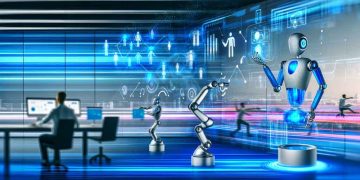


















In today’s fast-paced, technology-driven world, virtual assistants (VAs) have transformed from a luxury to an essential part of our daily routines. Whether in personal lives or professional environments, VAs powered by artificial intelligence (AI) and machine learning (ML) are revolutionizing the way we manage tasks, communicate, and interact with technology. From answering emails to managing schedules and providing recommendations, these assistants streamline everyday processes, saving time and enhancing productivity.
This article explores the growing importance of virtual assistants, the technologies behind them, their applications across various domains, and the challenges and ethical considerations that accompany their widespread use. Additionally, we will discuss the future of virtual assistants and the role they are set to play in shaping the way we work and live in the coming decades.
1. The Evolution of Virtual Assistants
The development of virtual assistants is closely tied to the broader progress in artificial intelligence (AI) and natural language processing (NLP). These technologies have gradually enabled computers to perform tasks that were once the domain of humans, making virtual assistants increasingly capable, intuitive, and responsive to user needs.
1.1 Early Beginnings and Conceptualization
The roots of virtual assistants can be traced back to the mid-20th century when the idea of AI-driven machines capable of understanding and responding to human commands began to take shape. Early AI models focused on symbolic reasoning and basic tasks, but these systems were rudimentary and lacked the sophistication needed for practical application.
It wasn’t until the development of NLP and machine learning algorithms that virtual assistants began to evolve into useful tools. Early virtual assistants, like Clippy from Microsoft, were designed to offer help within software applications but were limited by poor understanding of user intent and simplistic interaction models.
1.2 The Rise of Voice-Activated Assistants
The real breakthrough came with the release of Apple’s Siri in 2011, which marked the first widely available voice-activated assistant. Siri combined speech recognition with basic task management capabilities, such as setting reminders, making phone calls, and answering questions. This marked a significant leap forward, as it introduced a natural, voice-driven interface that allowed users to interact with their devices in a more intuitive way.
Following Siri, Amazon launched Alexa in 2014, integrated into its Echo smart speakers. Alexa’s ability to control smart home devices, play music, and answer a wider variety of queries made it a pivotal development in the evolution of virtual assistants. Other tech giants, including Google with Google Assistant and Microsoft with Cortana, followed suit, creating an ecosystem of voice-activated assistants that have become an integral part of modern life.
1.3 Virtual Assistants as Business Tools
While virtual assistants have long been popular in consumer devices, their utility in the business environment has been growing. AI-powered assistants are now a staple in customer service, office productivity, and even in managing complex business processes. Virtual assistants can handle a wide range of tasks such as managing schedules, booking travel, coordinating meetings, and even automating repetitive tasks. As businesses increasingly rely on these tools, virtual assistants are proving to be indispensable assets in modern professional workflows.
2. Core Technologies Behind Virtual Assistants
Virtual assistants function through a combination of several sophisticated technologies, such as natural language processing (NLP), machine learning (ML), and cloud computing. These technologies enable assistants to understand human language, process commands, and perform tasks effectively.
2.1 Natural Language Processing (NLP)
NLP is the foundation of any voice-activated or text-based virtual assistant. It allows the assistant to comprehend and interpret human language, regardless of dialect, slang, or accent. Through NLP, virtual assistants can process requests, understand context, and generate appropriate responses.
Modern NLP systems use a combination of techniques, such as part-of-speech tagging, syntactic parsing, and semantic understanding, to break down sentences and understand their meaning. Additionally, advanced algorithms, including deep learning models like transformers (e.g., GPT-3, BERT), have enabled virtual assistants to understand more complex queries and provide more accurate, nuanced responses.
2.2 Machine Learning (ML) and Artificial Intelligence (AI)
Machine learning enables virtual assistants to continuously improve by learning from past interactions. The more a virtual assistant interacts with users, the better it becomes at anticipating needs, making recommendations, and handling tasks. For example, virtual assistants can learn from the types of questions a user frequently asks, the tone of their voice, and their preferences in managing tasks.
AI models, particularly reinforcement learning and supervised learning, allow virtual assistants to adapt and optimize their performance over time. With reinforcement learning, virtual assistants “learn” the best actions to take by receiving feedback based on their performance. This is why voice assistants can often improve their responses after repeated use or user feedback.
2.3 Cloud Computing
Cloud computing plays a critical role in virtual assistant functionality. Virtual assistants require significant computational power to process speech recognition, execute complex NLP tasks, and handle multiple simultaneous interactions. Offloading these computational tasks to the cloud ensures that virtual assistants are responsive and accurate, even when performing tasks in real-time.
Cloud-based systems also allow virtual assistants to access vast amounts of data, including the latest updates and third-party integrations, making them more powerful and up-to-date. Furthermore, storing data and user preferences in the cloud enables virtual assistants to be easily accessible across multiple devices, ensuring continuity and seamless interaction.

3. Applications of Virtual Assistants
Virtual assistants are now applied in various fields, helping to automate tasks, enhance productivity, and improve efficiency. Below, we will explore the key areas where virtual assistants are making an impact:
3.1 Virtual Assistants in Personal Life
- Personal Organization: One of the most common uses of virtual assistants is for personal scheduling and task management. Virtual assistants like Siri, Google Assistant, and Alexa can schedule appointments, remind users about important events, and help prioritize daily tasks. They can also assist in managing shopping lists, making to-do lists, and setting reminders for important deadlines.
- Smart Home Control: With the advent of smart home technology, virtual assistants have become the center of home automation. They allow users to control devices like lights, thermostats, security cameras, and appliances simply by using voice commands. This integration has simplified home management, offering enhanced convenience and energy efficiency.
- Entertainment and Media: Virtual assistants can recommend movies, music, podcasts, and even audiobooks based on the user’s preferences. With devices like smart speakers, users can also request specific songs or podcasts, control streaming services, and manage their entertainment options.
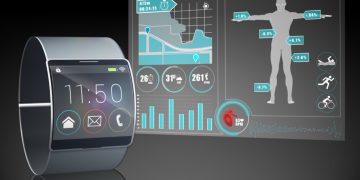
- Health and Fitness: Virtual assistants are increasingly integrated with fitness trackers and health apps, providing users with insights into their physical activity and well-being. Whether reminding you to stay hydrated, tracking workout progress, or offering wellness tips, virtual assistants can play a key role in maintaining a healthy lifestyle.
3.2 Virtual Assistants in the Workplace
- Task Automation: In business environments, virtual assistants are helping to automate routine administrative tasks, such as managing emails, booking meetings, and arranging travel plans. By eliminating repetitive tasks, VAs free up time for employees to focus on more strategic and creative activities.
- Customer Service: AI-powered virtual assistants are transforming customer service by providing 24/7 support through chatbots and automated help desks. These assistants can respond to queries, troubleshoot problems, process transactions, and offer personalized recommendations—all without human intervention.
- Collaboration and Project Management: Virtual assistants integrated into collaboration platforms like Slack or Microsoft Teams can help manage project timelines, schedule meetings, track project milestones, and assign tasks to team members. This streamlines team communication and improves overall productivity in the workplace.
3.3 Virtual Assistants in Healthcare
- Telemedicine: Virtual assistants are also being used in healthcare to improve patient care. AI-powered chatbots can pre-screen patients, collect medical histories, and offer guidance on symptoms, allowing doctors to focus on more complex cases. Additionally, virtual assistants can manage appointment bookings, send reminders, and facilitate follow-up care.
- Mental Health: Virtual assistants are now being employed to support mental health. Through conversation, they can guide users through meditation, offer coping mechanisms for anxiety, or simply provide a listening ear. While not a replacement for professional therapy, virtual assistants can help users manage stress and emotional well-being.
- Personal Health Tracking: Integration with wearable devices allows virtual assistants to monitor and record health data such as heart rate, sleep patterns, and physical activity. This data can be used to generate insights and provide recommendations for improving health.
3.4 Virtual Assistants in Education
Virtual assistants are becoming increasingly useful in educational settings, both for students and teachers. They can provide personalized learning experiences, help with research, and assist with language learning. Virtual assistants can also automate administrative tasks such as grading, attendance, and course scheduling, giving educators more time to focus on teaching.
4. Challenges and Ethical Considerations
While virtual assistants offer many benefits, their widespread use also raises several challenges and ethical concerns. These issues need to be addressed to ensure that virtual assistants are used responsibly and ethically.
4.1 Privacy and Data Security
One of the biggest concerns with virtual assistants is privacy. Since these assistants rely on continuous data collection to improve their performance, they often store sensitive information such as voice recordings, user preferences, and personal habits. Protecting this data from unauthorized access and misuse is crucial.
Tech companies must implement strong encryption, data anonymization, and user consent protocols to ensure that users’ personal data remains secure. Additionally, giving users control over their data—including the ability to delete stored information—can help address privacy concerns.
4.2 Dependency on Technology
As virtual assistants become more integrated into daily life, there is a growing concern about dependency on technology. Over-reliance on VAs for basic tasks could reduce cognitive engagement and lead to a decline in certain skills, such as memory and time management. It’s important to strike a balance between utilizing virtual assistants to save time and maintaining personal autonomy.
4.3 Bias and Ethical Implications
AI systems, including virtual assistants, are susceptible to bias, as they learn from data that may reflect existing societal biases. For example, a virtual assistant could unintentionally reinforce stereotypes or respond inappropriately to certain requests. Ensuring fairness and neutrality in AI responses is an ongoing challenge that requires constant monitoring and improvement.
5. The Future of Virtual Assistants
The future of virtual assistants is poised to be even more integrated, personalized, and intelligent. As advancements in AI and NLP continue, we can expect virtual assistants to:
- Become more conversational: Virtual assistants will continue to evolve to handle more complex, nuanced conversations, with deeper contextual understanding and emotional intelligence.
- Offer greater personalization: AI algorithms will become better at understanding individual preferences, routines, and needs, allowing virtual assistants to provide even more tailored experiences.
- Integrate seamlessly into all aspects of life: From autonomous vehicles to smart cities, virtual assistants will be embedded into every facet of daily life, working in the background to optimize our environment and interactions.
Conclusion
Virtual assistants have already become indispensable tools in our work and personal lives. From enhancing productivity to improving convenience and efficiency, VAs have proven their value in a wide range of applications. As AI technology continues to advance, the potential for virtual assistants to further enrich our lives is immense. However, to ensure their responsible use, ethical and privacy concerns must be addressed, and human oversight should remain central to their development and deployment. Virtual assistants are just getting started, and the future holds exciting possibilities for these indispensable digital helpers.