

























In recent years, health tracking has moved from a niche interest to a mainstream practice, largely due to the explosion of wearable devices and health tracking apps. With an increasing number of health-conscious individuals seeking to monitor and improve their physical well-being, the market for health tracking software and smart hardware has expanded rapidly. From fitness trackers to smartwatches, heart rate monitors, and sleep trackers, the array of devices and apps available today can be overwhelming. However, choosing the right combination of health tracking software and hardware is essential to achieving personal health goals.
This article provides a comprehensive guide on how to choose the most suitable health tracking software and smart hardware for your needs. We will explore the different types of devices available, their features, compatibility, and what to consider when selecting the right system to monitor and improve your health.
1. Understanding Health Tracking Software and Smart Hardware
Before diving into how to choose the right software and hardware, it’s important to understand what each component does and how they work together.
1.1 Health Tracking Software
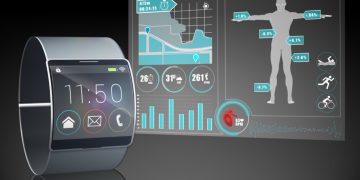
Health tracking software typically refers to applications (apps) designed to monitor various aspects of health, such as physical activity, sleep patterns, nutrition, and stress levels. These apps provide insights into your health and offer features such as data visualization, goal-setting, and progress tracking.
Key features of health tracking apps include:
- Activity Tracking: Monitoring steps, distance, and exercise duration.
- Heart Rate Monitoring: Tracking resting and active heart rate for cardiovascular health insights.
- Sleep Tracking: Analyzing sleep quality, duration, and sleep stages.
- Nutrition Tracking: Logging meals, calories, and macronutrients.
- Stress Management: Monitoring stress levels through physiological indicators like heart rate variability (HRV).
These apps often collect data from connected devices, such as wearables or Bluetooth-enabled sensors, and provide detailed reports, recommendations, and feedback based on this data.
1.2 Smart Hardware for Health Tracking
Smart hardware refers to the physical devices that collect data on your body’s metrics. These devices typically pair with health tracking apps to provide real-time insights into your health and fitness.
Common types of smart health hardware include:
- Fitness Trackers: Wearable bands that track steps, distance, calories burned, and sometimes heart rate. Popular examples include the Fitbit and Xiaomi Mi Band.
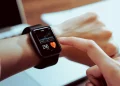
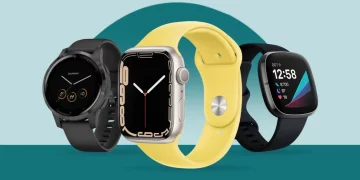
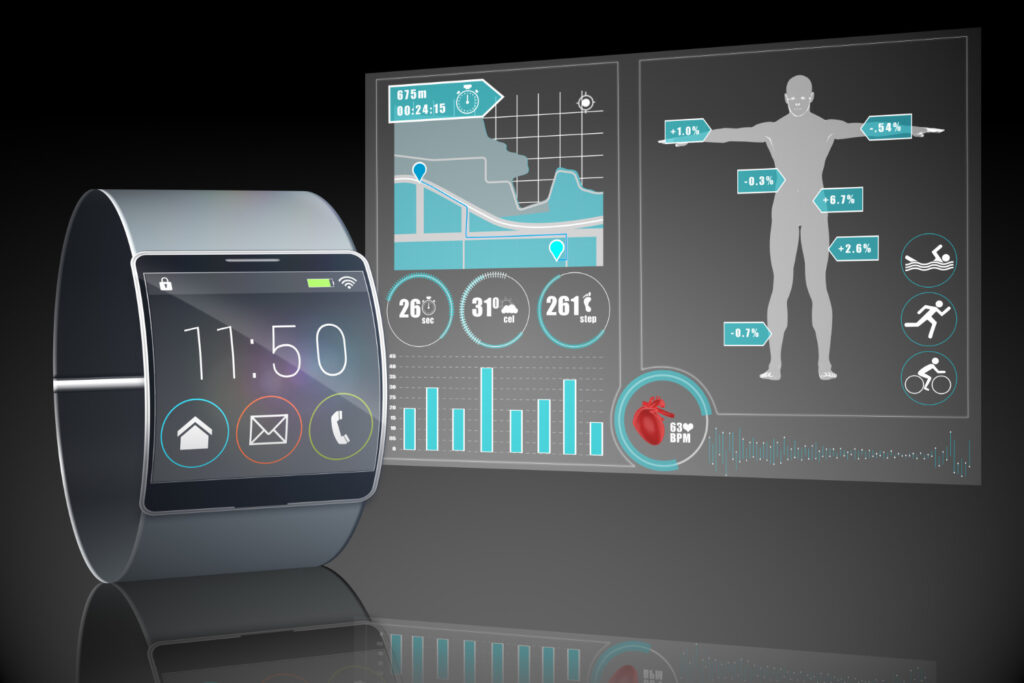
- Smartwatches: These multi-functional devices not only track physical activity and health metrics but also offer additional features such as notifications, GPS tracking, and more. Examples include the Apple Watch, Samsung Galaxy Watch, and Garmin Forerunner.
- Heart Rate Monitors: Devices specifically designed to monitor heart rate, often worn as chest straps or wrist-based devices. These monitors provide accurate, real-time heart rate data.
- Smart Scales: These scales measure body weight, body fat percentage, muscle mass, and other metrics. They sync with health apps to track body composition over time.
- Sleep Trackers: Wearable or non-wearable devices that monitor your sleep stages, quality, and overall sleep patterns.
Health tracking hardware typically syncs with software through Bluetooth or Wi-Fi, allowing for seamless integration and data exchange. Some devices also feature standalone functionalities, while others require the use of an app for full functionality.
2. Key Considerations for Choosing Health Tracking Software
Choosing the right health tracking software depends on several factors, including the types of health data you want to monitor, the level of detail you require, and the device ecosystem you prefer.
2.1 Features and Compatibility
The first step is to determine which features are most important for your health goals. Here are some common features to consider:
- Activity and Exercise Tracking: If you’re looking to monitor physical activity, ensure that the app tracks steps, calories, and provides specific metrics for activities like running, cycling, and swimming.
- Sleep Monitoring: For those interested in improving sleep, an app that tracks sleep quality, duration, and cycles (deep, light, and REM sleep) is essential.
- Nutrition and Calorie Tracking: Many apps, such as MyFitnessPal, offer detailed food logging to help track caloric intake and nutritional content. If weight management or improving diet is a goal, this is a crucial feature.
- Heart Rate and Fitness Monitoring: Apps that provide real-time heart rate tracking and recovery time estimates can be useful for those focused on cardiovascular health or fitness training.
- Stress and Mindfulness: For mental well-being, look for apps that integrate stress monitoring, mindfulness exercises, and breathing techniques.
Compatibility is also a key factor. Ensure that the software supports the device you’re using (whether it’s a fitness tracker, smartwatch, or standalone sensor). Popular health apps like Apple Health, Google Fit, and Strava have wide compatibility across various devices. If you’re using a specific brand of hardware (like Fitbit or Garmin), consider choosing the software that integrates directly with their ecosystem for optimal performance.
2.2 User Interface and Experience
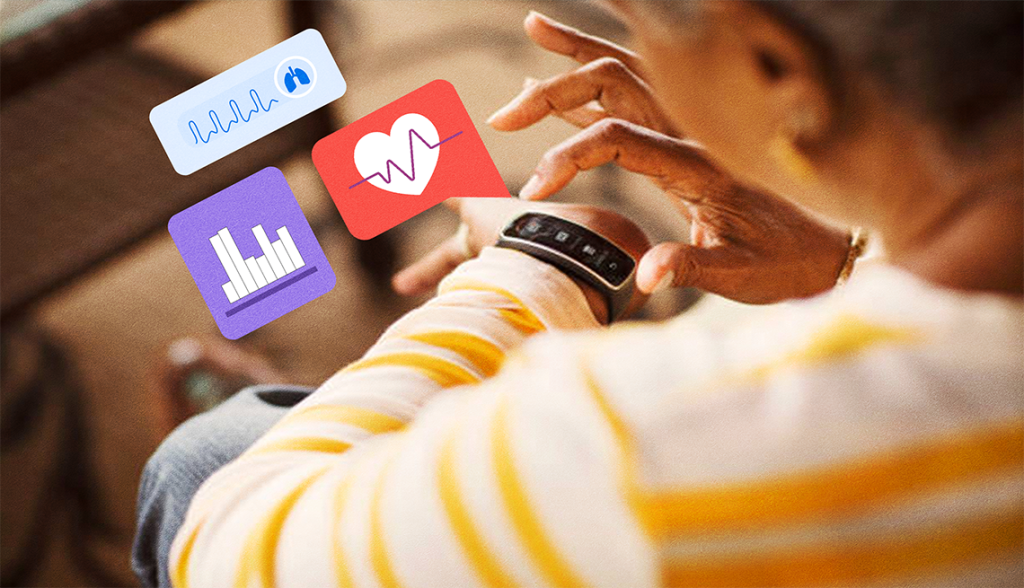
The usability of health tracking software is critical for maintaining consistent use. The app should have an intuitive interface that makes it easy to access your data, set goals, and track progress. Features like data visualization, goal tracking, and actionable insights can enhance the user experience and keep you motivated. Look for apps with clean layouts, easy navigation, and a minimalistic approach to avoid feeling overwhelmed by unnecessary information.
2.3 Data Privacy and Security
Since health data is sensitive, you need to ensure that your chosen software follows best practices for data privacy and security. Check whether the software provider has clear privacy policies, how your data is stored, and whether it is shared with third parties. Apps should offer features like data encryption and give you the ability to delete or manage your data.
2.4 Integration with Other Apps and Devices
If you use multiple devices or apps, choose health software that integrates well with other platforms. For instance, apps like Google Fit and Apple Health can sync data from various third-party devices and health apps. Integration with other fitness platforms like Strava, MyFitnessPal, or MapMyRun can help consolidate all your data in one place for better tracking and analysis.
3. Key Considerations for Choosing Health Tracking Hardware
Once you’ve selected the right health tracking software, it’s time to choose the best hardware to pair with it. The ideal hardware should align with your fitness goals, preferences, and lifestyle.
3.1 Purpose and Health Goals
The first step is to define your health objectives. Are you looking to track basic fitness metrics like steps and distance, or are you aiming for more detailed monitoring, such as heart rate variability, blood oxygen levels, or sleep stages?
- General Fitness: If you’re primarily interested in general fitness and activity tracking, a basic fitness tracker like the Fitbit Charge or Xiaomi Mi Band will suffice.
- Advanced Fitness: For individuals who are more serious about their workouts and need advanced tracking, a smartwatch like the Garmin Forerunner or Apple Watch may be a better choice. These devices often come with GPS tracking, heart rate monitoring, and integration with fitness apps.
- Health Monitoring: If you need more detailed health data, such as ECG, blood oxygen levels, or sleep monitoring, consider a device like the Withings ScanWatch or Apple Watch Series 6/7, which offers advanced features for heart health and sleep tracking.
3.2 Comfort and Wearability
Since health tracking devices are meant to be worn daily, comfort is key. The device should be lightweight, adjustable, and breathable. If you’re going to wear it while sleeping, make sure it’s comfortable enough to not disrupt your sleep.
Consider the following factors:
- Design: Choose a design that fits your personal style, whether it’s a minimalist fitness band or a smartwatch with a sleek display.
- Fit: Some devices come with adjustable straps, while others have flexible or ergonomic designs to ensure they fit comfortably on your wrist.
- Water Resistance: If you plan on wearing your device during exercise or while swimming, check for water resistance ratings (e.g., IP68, 5ATM).
3.3 Battery Life
Battery life is an important consideration, especially for wearables. Basic fitness trackers often have longer battery lives (up to 7-10 days), while smartwatches may require more frequent charging (every 1-2 days). Make sure the battery life aligns with your needs and lifestyle. If you’re a frequent traveler or don’t want to charge your device regularly, opt for a tracker with long-lasting battery life.
3.4 Durability and Quality
Durability is essential, particularly if you plan on wearing your device during intense physical activities or extreme weather conditions. Look for devices made with high-quality materials such as stainless steel, Gorilla Glass, or other scratch-resistant coatings. Additionally, some devices come with shockproof features to withstand impacts.
3.5 Price and Value for Money
Health tracking hardware comes in a wide price range, from budget-friendly fitness bands to premium smartwatches. While premium devices may offer more advanced features, they may not always be necessary for someone with basic tracking needs. It’s essential to weigh the cost of the device against the features it offers and ensure that you get good value for your money.
4. Popular Health Tracking Software and Devices
Here’s a list of some of the most popular health tracking software and hardware on the market today:
4.1 Health Tracking Apps
- MyFitnessPal: A leading nutrition tracking app that helps users log meals, track calories, and monitor macronutrient intake. Integrates with various fitness devices and apps.
- Strava: Popular among runners and cyclists, Strava offers advanced activity tracking and social features.
- Sleep Cycle: A sleep tracking app that provides insights into sleep quality and patterns, with a focus on waking you up during the lightest phase of sleep.
- Google Fit and Apple Health: These apps serve as central hubs for health and fitness data, allowing integration with numerous third-party devices.
4.2 Health Tracking Devices
- Fitbit Charge 5: A fitness tracker that monitors steps, heart rate, sleep, and more, with a sleek design and excellent battery life.
- Apple Watch Series 7: A smartwatch with advanced health features such as ECG, blood oxygen monitoring, and sleep tracking, in addition to fitness tracking and notifications.
- Garmin Forerunner 945: A high-performance smartwatch with GPS tracking, heart rate monitoring, and advanced fitness features for athletes.
- Withings ScanWatch: A hybrid smartwatch with advanced heart health monitoring, including ECG and SpO2 measurement, along with sleep tracking and activity monitoring.
5. Conclusion: Finding the Right Health Tracking Tools for You
Choosing the best health tracking software and smart hardware requires a careful balance between features, comfort, compatibility, and personal health goals. Whether you’re a casual fitness enthusiast or a serious athlete, there is a device and app that can meet your needs. By considering your specific goals, preferred features, and budget, you can make an informed decision and find the most suitable health tracking tools to help you monitor and improve your health over time.
As technology continues to evolve, health tracking devices and apps will only become more advanced, offering deeper insights and personalized recommendations. With the right tools, you can take charge of your health, make informed decisions, and work towards achieving a healthier, more active lifestyle.