




























Introduction
The advent of quantum computing marks a turning point in the history of computation, holding the potential to disrupt industries and fields that rely heavily on data processing, encryption, and advanced research. At the heart of this revolution lie quantum algorithms and quantum cloud services, two innovations that are expected to transform sectors ranging from cybersecurity to pharmaceuticals.
Where classical computers rely on bits to store and process information, quantum computers use quantum bits (qubits), which can represent and process data in ways that classical bits cannot. This capability allows quantum computers to solve problems that were previously deemed computationally impossible. By leveraging principles of quantum mechanics, these systems can offer unprecedented computational power, enabling breakthroughs in fields like cryptography, data processing, and drug discovery.
In this article, we will explore the cutting-edge developments in quantum algorithms and quantum cloud services and their transformative potential in areas like encryption, data analytics, and the development of new medicines. We will also consider the challenges and opportunities presented by these technologies and how they could shape the future of multiple industries.
1. Quantum Algorithms: A New Frontier in Computing
1.1 What Are Quantum Algorithms?
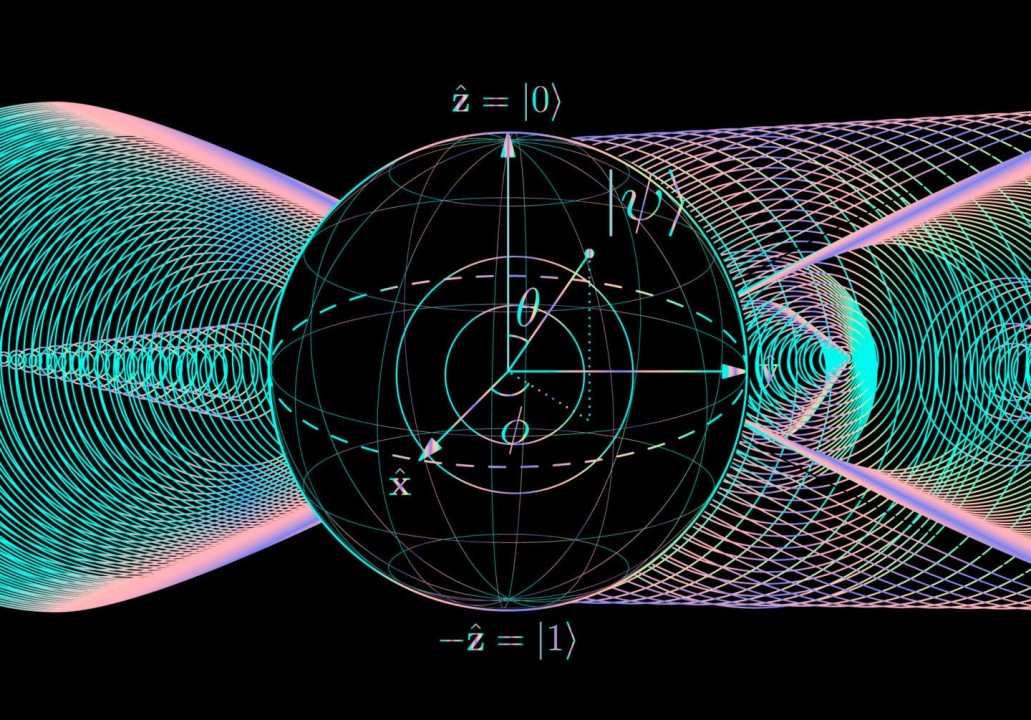
Quantum algorithms are mathematical procedures designed to run on quantum computers, which harness the unique properties of quantum mechanics to solve problems more efficiently than classical algorithms. At the core of quantum computing is the concept of superposition—the ability of qubits to represent multiple states at once—along with entanglement, where qubits become interconnected and share information instantaneously, regardless of distance.
These properties allow quantum algorithms to perform complex calculations much faster than classical algorithms. The potential to break through bottlenecks in computation could revolutionize various industries by enabling new approaches to problems in fields such as cryptography, machine learning, optimization, and simulation.
1.2 Quantum Algorithms in Encryption
One of the most immediate areas of impact for quantum algorithms is encryption. The security of digital communications today relies on encryption methods such as RSA and ECC (Elliptic Curve Cryptography), which are based on the difficulty of factoring large numbers and solving certain mathematical problems.
However, quantum computers have the potential to break these encryption methods by using quantum algorithms like Shor’s Algorithm, which can efficiently factor large numbers and solve problems that are intractable for classical computers. This means that quantum computers could, in theory, decrypt what was once considered unbreakable encryption, posing a significant challenge to the current landscape of cybersecurity.
In response to this looming threat, the field of post-quantum cryptography has emerged, focused on developing encryption methods that are resistant to quantum computing attacks. These methods include lattice-based encryption, hash-based cryptography, and code-based cryptography, which are designed to withstand the computational power of quantum algorithms.
1.3 Quantum Algorithms in Optimization
Quantum algorithms also hold great promise in the field of optimization, where finding the best solution to a complex problem is often computationally expensive. Problems like supply chain management, financial portfolio optimization, and logistics planning are examples of real-world applications where quantum computers could make a significant impact.
Quantum annealing, for instance, is a quantum algorithm that aims to find the optimal solution to an optimization problem by taking advantage of quantum mechanical processes. Quantum computing can potentially solve these optimization problems much more efficiently than classical computers, enabling faster decision-making in industries that rely on complex optimization tasks.
1.4 Quantum Algorithms in Machine Learning
Machine learning and artificial intelligence (AI) are other fields that could benefit immensely from quantum algorithms. Quantum machine learning (QML) seeks to leverage quantum computing to accelerate the training of machine learning models, improving the speed and accuracy of predictions. By exploiting the parallelism of quantum algorithms, quantum computers can process large datasets more efficiently, enabling advancements in AI that were previously limited by classical computing power.
For example, quantum support vector machines and quantum neural networks are quantum analogs of traditional machine learning algorithms that could provide faster training times and improved data analysis capabilities for complex datasets.
2. Quantum Cloud Services: Bringing Quantum Power to the Masses
2.1 The Rise of Quantum Cloud Computing
While building a quantum computer requires highly specialized hardware and conditions (such as extreme cooling), quantum cloud services allow users to access quantum computing resources remotely. Companies like IBM, Google, Microsoft, and Amazon Web Services (AWS) have developed cloud-based quantum computing platforms that enable researchers, businesses, and developers to experiment with and utilize quantum algorithms on real quantum hardware.
These services eliminate the need for businesses to invest in costly quantum hardware while enabling them to tap into the power of quantum computing for real-world applications. The cloud model makes quantum computing more accessible, fostering collaboration across industries and facilitating quantum algorithm development without the need for dedicated on-site equipment.
2.2 Key Players in Quantum Cloud Computing
- IBM Quantum: IBM has been a leader in quantum cloud computing, offering IBM Quantum Experience as a cloud-based quantum computing platform. Through this service, users can access quantum computers and run experiments on IBM Q quantum processors. IBM also provides a set of quantum software tools, including Qiskit, an open-source quantum computing framework for developing quantum applications.
- Amazon Braket: AWS offers Amazon Braket, a quantum computing service that allows users to experiment with various quantum computing frameworks, including D-Wave, Rigetti, and IonQ. Braket provides a comprehensive platform for exploring quantum algorithms and their applications in fields like machine learning and optimization.
- Microsoft Azure Quantum: Microsoft’s Azure Quantum platform provides access to a wide range of quantum hardware options, including Honeywell and IonQ quantum computers. Through this platform, Microsoft also offers quantum software development kits (SDKs) like Q#, which allows developers to create and run quantum applications.
- Google Cloud Quantum Computing: Google has invested heavily in quantum computing research and has developed its quantum computing platform, Google Quantum AI. Google’s quantum cloud service enables researchers to access its Sycamore quantum processor, which famously achieved quantum supremacy in 2019 by solving a specific problem faster than any classical supercomputer.
2.3 The Democratization of Quantum Computing
Quantum cloud services are playing a pivotal role in the democratization of quantum computing. By offering access to quantum computing resources via the cloud, these services allow a much broader range of individuals and organizations to experiment with and build quantum algorithms. Researchers, startups, and businesses that might not have the resources to develop their quantum hardware can now leverage cloud-based quantum computing to accelerate their innovation processes.
Furthermore, cloud platforms offer tutorials, training resources, and collaboration tools that are helping to build a quantum-ready workforce. These platforms are lowering the barrier to entry for those interested in exploring the quantum computing field, providing a space for developers to learn, experiment, and collaborate.

3. Quantum Computing in Data Processing: Unlocking New Potentials
3.1 Data Analysis and Big Data
Data processing is an area where quantum computing has immense potential. The ability of quantum computers to handle exponentially larger datasets and perform complex calculations in parallel will significantly impact fields like big data analytics. Classical algorithms for data analysis often face scalability issues when dealing with large volumes of data. Quantum algorithms can address these bottlenecks by leveraging quantum parallelism and superposition.
For example, quantum algorithms such as Grover’s search algorithm can search through unsorted databases at a much faster rate than classical computers, which would be a game-changer for industries that rely on analyzing large datasets in real-time, such as financial services, healthcare, and e-commerce.
3.2 Quantum Computing and Cryptography
Another key area where quantum computing is set to disrupt traditional data processing is in the realm of cryptography. As mentioned earlier, quantum algorithms such as Shor’s Algorithm can break current encryption methods, including RSA and ECC. This creates a strong incentive for the development of quantum-resistant encryption algorithms, which will need to be implemented to safeguard sensitive data in a post-quantum world.
This shift will likely drive the creation of new security frameworks and data privacy standards, creating a ripple effect throughout the cybersecurity industry.
4. Quantum Computing in Drug Discovery: Revolutionizing Healthcare and Pharmaceuticals
4.1 The Role of Quantum Algorithms in Drug Discovery
Quantum computing has the potential to accelerate the discovery of new drugs by enabling the simulation of complex molecular structures. Traditional drug discovery methods involve trial and error, which is time-consuming and expensive. Quantum algorithms can simulate molecular interactions at the quantum level, which allows for more accurate predictions of how potential drugs will interact with biological systems.
For instance, quantum chemistry simulations could help researchers model the behavior of molecules, atoms, and their interactions in unprecedented detail, leading to faster drug design and better-targeted therapies. Companies like Biogen and Sanofi are already collaborating with quantum computing firms to explore how quantum algorithms can be applied in drug development.
4.2 Quantum Cloud Services in Pharmaceutical Research
By offering access to quantum computing power via the cloud, quantum cloud services are enabling pharmaceutical companies to conduct cutting-edge research without the need for on-site quantum hardware. Pfizer, Merck, and other pharmaceutical giants are investing in quantum computing as a tool for optimizing their research pipelines and accelerating drug discovery.
Through quantum cloud services, pharmaceutical companies can simulate and test molecules at a fraction of the time and cost required by traditional methods, significantly speeding up the path from discovery to clinical trials.
5. Challenges and Future Directions
Despite the immense potential of quantum algorithms and quantum cloud services, there are several challenges to overcome. These include hardware limitations, quantum error correction, and scalability. Moreover, the field is still in its infancy, and significant advances in quantum error correction and fault tolerance will be needed to make large-scale, practical quantum computing a reality.
However, as quantum technologies continue to evolve, it is expected that we will see significant breakthroughs in these areas, paving the way for practical applications in encryption, data processing, drug discovery, and more.
Conclusion
Quantum computing, with its cutting-edge algorithms and cloud-based services, promises to revolutionize industries ranging from encryption and data analytics to pharmaceuticals. By harnessing the power of quantum mechanics, these innovations will allow us to solve problems that were once thought to be intractable, driving new discoveries and innovations.
As quantum computing matures, the development of quantum cloud services and quantum algorithms will be key to unlocking its full potential. Though challenges remain, the future of quantum computing looks incredibly promising, offering new tools for tackling some of the world’s most pressing problems.