





























Introduction
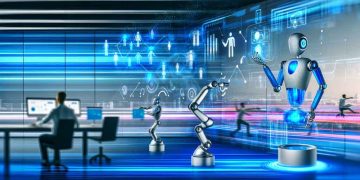
The rise of artificial intelligence (AI) and automation technologies has sparked profound transformations in the job market. As AI systems become increasingly sophisticated, they are not only reshaping industries but also altering the very nature of work. Human workers are now collaborating with machines in ways that were once unimaginable, while concerns about the ethics of AI and the potential for large-scale job displacement have become central to global discussions.
This convergence of AI innovation, human-machine collaboration, and the need for effective innovation management presents both challenges and opportunities. On one hand, AI and automation offer unprecedented productivity and efficiency gains; on the other, they create uncertainty and inequality in the workforce. To successfully navigate this shifting landscape, society needs to develop new frameworks for AI ethics, rethink workforce management, and invest in strategies that help individuals transition to new roles.
In this article, we will explore how human-machine collaboration is evolving, the ethical dilemmas posed by AI, and the role of innovation management in ensuring a positive outcome for workers and employers alike. We will also discuss the broader implications for the job market, including reskilling, upskilling, and the future of work in a world increasingly shaped by AI.
1. The Rise of Human-Machine Collaboration
1.1 Defining Human-Machine Collaboration
At its core, human-machine collaboration refers to the partnership between human workers and AI or robotic systems in the workplace. This collaboration is not about replacing humans with machines but rather about combining the strengths of both to achieve higher levels of efficiency, creativity, and problem-solving. The goal is to create an environment where humans and machines work together synergistically, each contributing in ways that enhance the capabilities of the other.
For example:
- AI and data analytics can handle large datasets and identify patterns, allowing humans to focus on strategy, decision-making, and innovation.
- Robots and automation can take over repetitive tasks, freeing up human workers for more complex and creative problem-solving activities.
The collaborative approach is particularly important in industries such as manufacturing, healthcare, and customer service, where machines are used to enhance human performance rather than replace it.
1.2 Benefits of Human-Machine Collaboration
- Enhanced Productivity: By automating routine tasks, AI allows human workers to focus on more creative, value-adding activities. This leads to increased productivity across sectors.
- Improved Decision-Making: AI systems are able to process and analyze vast amounts of data far more efficiently than humans. This allows employees to make better-informed decisions faster.
- Greater Innovation: When humans are freed from mundane tasks, they have more time to think creatively, resulting in more innovative solutions and new products or services.
- Personalized Experiences: In fields like healthcare and education, AI can be used to deliver more personalized services, such as customized treatment plans or learning experiences, while human expertise ensures that the personal touch is not lost.
1.3 Real-World Examples of Human-Machine Collaboration
- Healthcare: In the medical field, AI systems like IBM Watson are being used to analyze medical data, suggest diagnoses, and recommend treatment plans. However, these systems still require human doctors and nurses to make final decisions and provide patient care.
- Customer Service: Companies like Zendesk and Intercom use AI-powered chatbots to handle routine customer queries, allowing human agents to focus on more complex cases that require empathy and nuanced understanding.
- Manufacturing: Collaborative robots (cobots) work alongside human workers to perform tasks that involve heavy lifting, assembly, or precise operations. These cobots increase both safety and efficiency on factory floors.
2. The Ethical Dimensions of AI
2.1 Understanding AI Ethics
As AI systems become more integrated into everyday life, questions surrounding AI ethics have gained increasing attention. Ethical concerns are paramount because AI systems can have significant social, economic, and political impacts, especially when it comes to issues like privacy, accountability, bias, and transparency.
Key ethical challenges in AI include:
- Bias and Discrimination: AI algorithms, if not properly designed or trained, can perpetuate racial, gender, or economic biases present in historical data. For example, AI systems used in hiring or law enforcement can unintentionally reinforce existing societal inequalities.
- Accountability: Who is responsible when an AI system makes a mistake or causes harm? With AI making decisions in critical sectors like healthcare and finance, accountability and liability are crucial concerns.
- Privacy: AI systems often require access to large amounts of personal data to function effectively. Balancing the benefits of personalized services with the need to protect individual privacy is one of the most pressing ethical issues today.
- Autonomy: The question of how much autonomy AI systems should have, especially in high-stakes environments (e.g., self-driving cars), is a subject of ongoing ethical debate.
2.2 Addressing Ethical Challenges in AI Development
To mitigate the ethical risks associated with AI, several strategies are being proposed:
- Diverse and Inclusive Data: Ensuring that the data used to train AI models is diverse and representative of different demographic groups can help reduce bias in AI decision-making.
- Transparent AI Models: Developers are working on making AI systems more transparent by creating models that allow humans to understand how decisions are made, improving accountability and trust.
- Ethical AI Governance: Governments and organizations are establishing ethical frameworks and regulations to guide AI development. The European Union, for example, has introduced the General Data Protection Regulation (GDPR) to protect user privacy and set guidelines for AI use.
- Human-in-the-Loop (HITL): In many cases, human oversight remains critical. The HITL approach ensures that AI systems assist but do not entirely replace human judgment, especially in complex or high-risk situations.
3. Innovation Management in the Age of AI
3.1 The Role of Innovation Management
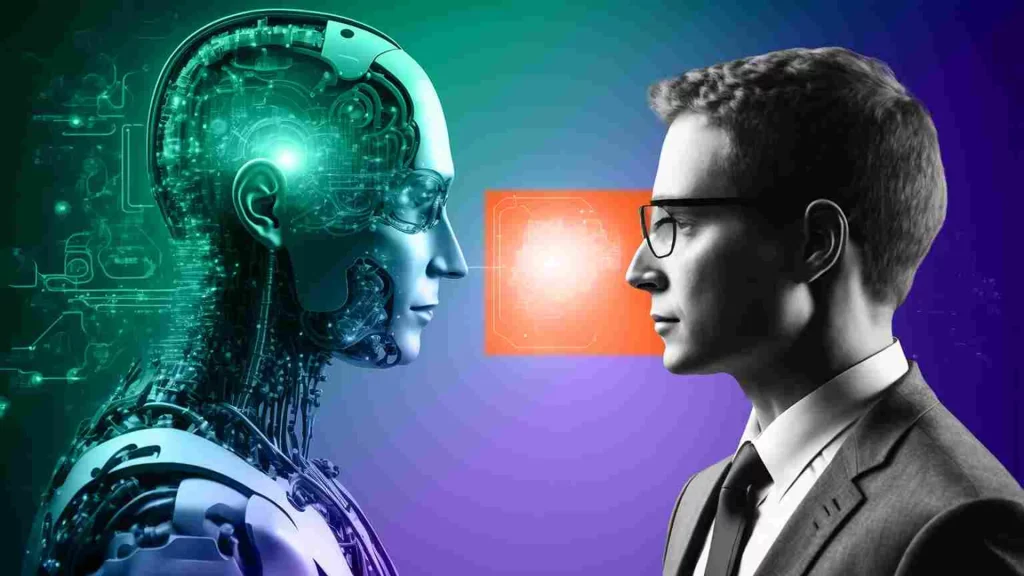
Innovation management refers to the process of guiding and controlling innovation efforts within an organization to ensure that new ideas are developed and implemented effectively. In the age of AI, innovation management has become more complex, as organizations must not only focus on traditional innovation but also embrace digital transformation and AI-driven innovation.
The key to effective innovation management in the context of AI lies in:
- Fostering Collaboration: Encouraging interdisciplinary collaboration between AI experts, business leaders, and employees ensures that AI solutions are aligned with business goals and employee needs.
- Agile Development: As AI technologies evolve rapidly, organizations must adopt agile methodologies that allow for continuous iteration and adjustment to emerging trends.
- Data-Driven Decision Making: AI and data analytics enable businesses to gather insights and make decisions faster and more accurately. Innovation managers need to leverage these tools to drive data-driven innovation.
3.2 Leading AI Innovations in Business
AI-driven innovations are transforming industries worldwide. Here are some examples of AI applications that are reshaping the way businesses operate:
- AI in Healthcare: AI is used to accelerate drug discovery, enhance diagnostics (e.g., AI-powered medical imaging), and optimize healthcare delivery. DeepMind’s AI has shown promise in early detection of diseases like retinal diseases and cancer.
- AI in Marketing: AI algorithms are helping companies understand consumer behavior, predict trends, and personalize marketing campaigns. Tools like chatbots and recommendation engines are becoming integral to e-commerce platforms.
- AI in Finance: The financial sector is leveraging AI for fraud detection, risk assessment, and algorithmic trading. AI also plays a critical role in regulatory compliance by analyzing large volumes of data to detect potential fraud or market manipulation.
3.3 Managing AI Talent and the Workforce of the Future
One of the most significant challenges organizations face is managing the transition to a workforce that works alongside AI. As AI and automation take on routine tasks, the role of humans in the workplace will shift toward tasks that require creativity, emotional intelligence, and complex problem-solving.
Innovation management strategies must include:
- Reskilling and Upskilling: As AI transforms job roles, organizations must invest in programs that help workers adapt to new technologies and acquire skills in AI programming, data science, and robotics.
- Human-AI Collaboration Training: Managers will need to train employees to collaborate with AI systems effectively. This includes understanding how to leverage AI’s capabilities and complementing them with human expertise.
- Leadership in the AI Age: Leaders must be equipped to manage AI-driven change, which requires a mix of technical expertise, strategic foresight, and empathy. Strong leadership will ensure that AI technologies are implemented ethically and responsibly, aligning with the company’s broader goals.
4. The Future of Work and Employment in an AI-Driven World
4.1 The Potential for Job Displacement
There is no denying that AI and automation are disrupting the job market. Certain jobs, particularly those that involve repetitive tasks, are at risk of being automated. The World Economic Forum predicts that automation could displace millions of jobs in the next decade. However, new opportunities will also arise in industries that leverage AI to enhance productivity.
4.2 Preparing for the Workforce Transformation
To prepare for the workforce transformation, governments, businesses, and educational institutions must collaborate to ensure that workers are equipped with the skills needed for the future. Strategies include:
- Education Reform: Emphasizing STEM (Science, Technology, Engineering, and Math) education and soft skills such as creativity, critical thinking, and emotional intelligence will help workers thrive in an AI-driven economy.
- Lifelong Learning: Continuous learning will become essential for workers to remain competitive. Online platforms, professional certifications, and on-the-job training programs can help individuals keep their skills up to date.
Conclusion
As AI and automation technologies reshape industries and workplaces, society must adapt to the inevitable changes brought about by human-machine collaboration, AI ethics, and innovation management. These technologies present unprecedented opportunities to improve efficiency, drive innovation, and empower individuals, but they also come with ethical dilemmas and challenges related to job displacement and workforce transformation.
The future of work will be defined by the balance between human creativity and machine efficiency. By embracing ethical AI development, fostering human-AI collaboration, and focusing on continuous learning, society can ensure that the benefits of AI are maximized while mitigating its risks.
As we move into this new era, it will be crucial for organizations and governments to adopt policies and practices that support workers, promote inclusive innovation, and prepare future generations for the challenges and opportunities of an AI-driven world.