




























The last frontier, the vast expanse of outer space, has long captured the human imagination. For centuries, we have looked to the stars, wondering about the mysteries they hold and the possibilities they present. From ancient mythologies to modern science fiction, space has been a source of inspiration, fear, and wonder. However, in recent decades, space exploration has transformed from a speculative idea to a tangible pursuit. With groundbreaking advancements in technology, space agencies and private companies are now making remarkable strides toward not only exploring distant celestial bodies but also opening the final frontier to ordinary citizens through the rapidly growing industry of space tourism.
As we stand on the precipice of what many consider the “Age of Space,” the dream of interstellar travel—visiting other planets, traveling to distant stars, and eventually becoming an interplanetary species—is slowly becoming a reality. In this article, we will explore the history and future of space exploration, the burgeoning field of space tourism, and how these developments might shape humanity’s future in space.
1. The History of Space Exploration
The story of space exploration begins with a deep sense of curiosity and a relentless drive to understand the universe. While space exploration today is characterized by advanced technologies and private sector involvement, its roots lie in decades of governmental research and international collaboration.
1.1 The Dawn of the Space Age
The modern era of space exploration began in 1957, when the Soviet Union launched Sputnik 1, the first artificial satellite, into orbit. This event marked the beginning of the Space Race, a geopolitical and technological competition between the United States and the Soviet Union to achieve supremacy in space. Sputnik’s successful launch sent shockwaves throughout the world and ignited the imagination of millions.
In 1961, Soviet cosmonaut Yuri Gagarin became the first human to travel into space aboard Vostok 1, orbiting the Earth. This historic achievement was followed by the United States’ successful launch of Alan Shepard aboard Freedom 7, marking the first American manned space flight. These early milestones set the stage for the Apollo missions and the eventual human landing on the Moon.
1.2 The Apollo Program and the Moon Landing
The Apollo program, spearheaded by NASA, remains one of the greatest achievements in the history of space exploration. In 1969, Apollo 11 successfully landed astronauts Neil Armstrong and Buzz Aldrin on the Moon, while Michael Collins orbited above in the command module. Neil Armstrong’s famous words, “That’s one small step for man, one giant leap for mankind,” symbolized humanity’s remarkable journey beyond Earth.
The Apollo missions not only demonstrated the technical capabilities needed for space exploration but also reinforced the idea that space travel was possible for humans. This achievement propelled further space exploration, including the Apollo 17 mission, which was the last to land humans on the Moon in 1972.
1.3 Space Stations and Mars Exploration
Following the Apollo program, space exploration entered a new phase with the development of space stations and robotic exploration of other planets. The International Space Station (ISS), a joint project between NASA, Roscosmos, ESA, JAXA, and CSA, has served as a laboratory for studying life in microgravity and conducting scientific research in space since its first module was launched in 1998.
Meanwhile, robotic missions to Mars, such as NASA’s Mars rovers (Spirit, Opportunity, Curiosity, Perseverance), have significantly advanced our understanding of the Red Planet. These unmanned missions have provided invaluable insights into Mars’ geology, climate, and potential for supporting life, laying the groundwork for future human exploration.
2. The Rise of Private Space Companies
The last decade has seen a dramatic shift in space exploration, with private companies now playing a pivotal role in shaping the future of space travel. The entrance of private players like SpaceX, Blue Origin, and Virgin Galactic is accelerating the pace of innovation and opening the door to new possibilities in both exploration and tourism.
2.1 SpaceX: Pioneering Commercial Space Travel
Founded by Elon Musk in 2002, SpaceX has become a leader in the space industry. With its ambitious goal of reducing space travel costs and enabling human colonization of Mars, SpaceX has made significant strides in rocket technology, developing the Falcon 1, Falcon 9, and the Starship rockets.
In 2012, SpaceX made history by becoming the first privately funded company to successfully send a spacecraft, Dragon, to the International Space Station. The company’s Starship rocket, designed to carry both crew and cargo to the Moon, Mars, and beyond, has garnered attention for its reusable design, making it one of the most cost-effective options for space missions.
SpaceX has also been central to the development of SpaceX Crew Dragon, a spacecraft capable of carrying astronauts to the ISS. The successful launch of Crew Dragon in 2020 marked the first crewed spaceflight from U.S. soil since the end of the Space Shuttle program in 2011.
2.2 Blue Origin: Reaching for the Moon and Beyond
Founded by Jeff Bezos in 2000, Blue Origin is another key player in the commercial space race. Blue Origin has focused on developing reusable rockets, such as New Shepard, designed to carry passengers to the edge of space. Blue Origin’s aim is to make space travel more affordable and accessible, with the long-term goal of enabling human settlement in space.
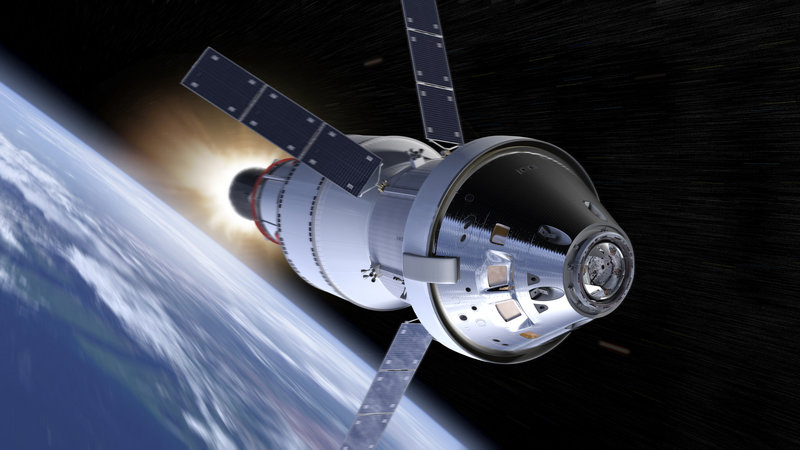
Blue Origin is also collaborating with NASA on lunar exploration projects, with its Blue Moon lander being designed to transport cargo to the Moon’s surface as part of NASA’s Artemis program. This program is intended to return astronauts to the Moon by 2024 and lay the groundwork for sustainable lunar exploration, with an eye on Mars and beyond.
2.3 Virgin Galactic: Space Tourism for the Masses
Founded by Richard Branson in 2004, Virgin Galactic has focused on space tourism, aiming to provide suborbital flights for civilians. After years of testing and development, Virgin Galactic successfully launched VSS Unity on its first crewed flight to space in 2021, with Branson himself aboard the spacecraft. The company’s SpaceShipTwo is designed to carry passengers to the edge of space, providing them with a few minutes of weightlessness and breathtaking views of Earth.
Virgin Galactic’s goal is to make space tourism an accessible luxury, offering suborbital flights for around $250,000 per ticket. While still in its infancy, space tourism is poised to grow rapidly, with other companies following suit and working to bring commercial space travel into the mainstream.
3. Space Tourism: The Final Frontier for Civilians
One of the most exciting developments in the space industry is the rise of space tourism, which promises to give ordinary people the opportunity to travel to space. Although space tourism is still in its early stages, the rapid advancements in rocket technology and the increasing involvement of private companies suggest that it will soon be a reality for more than just astronauts.
3.1 The Evolution of Space Tourism
Space tourism has come a long way since the first space tourists, who were wealthy individuals able to purchase a seat aboard a Russian spacecraft through Space Adventures. The first space tourist, Dennis Tito, traveled to the ISS in 2001, paying a reported $20 million for the experience. While this was an exclusive experience limited to a small number of extremely wealthy individuals, the development of reusable rocket technology is lowering costs and paving the way for broader participation.
Today, companies like SpaceX, Blue Origin, and Virgin Galactic are working to make space tourism more affordable and accessible. The success of these companies could lead to the democratization of space travel, offering suborbital flights to the edge of space, orbital flights around Earth, and potentially even trips to the Moon or Mars.
3.2 Types of Space Tourism
There are different types of space tourism experiences, each offering varying levels of adventure:
- Suborbital Flights: Companies like Virgin Galactic and Blue Origin are offering suborbital flights, where passengers experience weightlessness and view the curvature of the Earth, but the trip lasts only a few minutes. This is currently the most affordable option for civilians, though prices are still high.
- Orbital Flights: SpaceX offers orbital flights, which involve traveling beyond the Kármán line (the edge of space) and orbiting the Earth. The company’s Crew Dragon spacecraft has already carried astronauts to the ISS, and in the future, it will offer commercial flights to private individuals.
- Lunar and Deep Space Tourism: Although still in the planning stages, the possibility of lunar tourism—trips to the Moon—and even deep space travel could become a reality in the coming decades. SpaceX’s Starship is designed to transport passengers to the Moon and eventually Mars, making interplanetary tourism a tantalizing possibility.
3.3 The Economic Potential of Space Tourism
The economic impact of space tourism could be enormous. Analysts predict that the space tourism industry could be worth billions of dollars within the next few decades, creating new business opportunities, jobs, and technologies that will benefit other industries. As technology advances and economies of scale reduce costs, space tourism could become more affordable for the masses, much like air travel did in the 20th century.
4. The Future of Space Exploration and Tourism
The future of space exploration and tourism is incredibly promising, with both governmental and private entities pushing the boundaries of what is possible. We are now entering a new era in which space is no longer an exclusive domain for astronauts and scientists but a place where ordinary people can experience the awe of space firsthand.
4.1 Colonizing Mars and Beyond
The ultimate goal for many space exploration advocates is the colonization of other planets, particularly Mars. With plans from NASA, SpaceX, and other organizations, sending humans to Mars could happen within the next decade. SpaceX’s Starship is currently being developed to carry both humans and cargo to the Red Planet, with Musk envisioning a self-sustaining colony on Mars by the 2050s. The challenges of such an endeavor are immense—ranging from radiation protection to creating habitable environments—but the potential for expanding humanity’s presence beyond Earth is revolutionary.
4.2 The Technological Innovations Ahead
As we look toward the future, there are several technological advancements on the horizon that could revolutionize space exploration and tourism. These include the development of advanced propulsion systems, such as nuclear thermal propulsion, which could reduce travel times to distant planets, and the potential for space habitats that allow humans to live and work in space for extended periods.
Additionally, space mining could become a major industry, extracting resources like water, precious metals, and rare minerals from asteroids, which could fuel future space exploration missions and even support Earth’s growing resource demands.
5. Conclusion: The Age of Interstellar Travel
We are on the cusp of a new era in space exploration. With advancements in technology, private companies pushing the limits of innovation, and governments working toward long-term space missions, the dream of space travel is rapidly becoming a reality for more people. From suborbital space tourism to interplanetary exploration, humanity is taking its first steps into a larger, more interconnected universe. As the cost of space travel decreases and the technology advances, the possibility of becoming a multi-planetary species and even venturing beyond our solar system is within reach. The future of space exploration and tourism is bright, and the journey is just beginning.