




























In today’s fast-paced world, technology continues to reshape the way we live, work, and interact with each other. One of the most significant transformations in recent years has been the rise of digital payments, which have become an indispensable part of our daily lives. Whether it’s paying for a coffee with your smartphone, sending money to a friend via an app, or making an online purchase, digital payment systems have revolutionized how we handle money and make transactions.
This article explores the evolution of digital payments, the technologies driving their adoption, and the impact they have on individuals, businesses, and the global economy. It also discusses the security concerns and future developments that may shape the next generation of digital payment solutions.
1. The Evolution of Digital Payments
The concept of digital payments has evolved significantly over the past few decades. What started as a simple alternative to cash payments has now become a multi-faceted ecosystem of solutions that are more convenient, secure, and integrated into our everyday activities than ever before.
1.1 Early Forms of Digital Payments
The earliest forms of digital payments can be traced back to the 1960s with the introduction of credit cards and debit cards. These cards enabled individuals to make purchases without the need for physical cash, providing a level of convenience that was previously unimaginable. However, these payments were still processed in person, typically via swiping or inserting cards at point-of-sale (POS) terminals.
In the 1990s, the rise of the internet brought about the concept of e-commerce. Online shopping became increasingly popular, and digital payments began to evolve from card payments to include alternative payment methods, such as online bank transfers and digital wallets.
1.2 The Advent of Mobile Payments and Mobile Wallets
The real breakthrough in digital payments came with the advent of smartphones and the development of mobile payment systems. In the mid-2000s, companies like PayPal began offering online payment platforms that enabled consumers to make payments securely via the internet. This was the first wave of digital payments moving from physical to virtual environments.
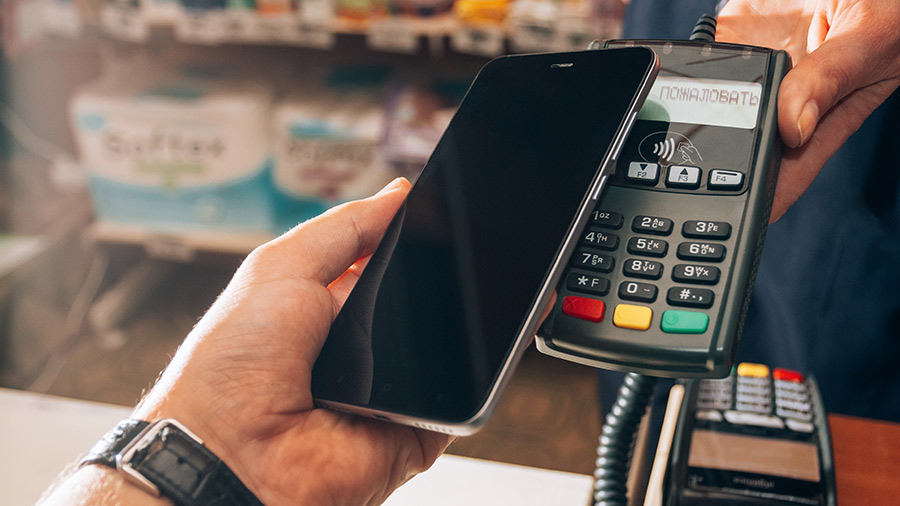
In 2010, the rise of mobile phones with NFC (Near Field Communication) technology set the stage for the mobile wallet revolution. Companies such as Apple Pay, Google Pay, and Samsung Pay allowed users to store their debit and credit card information on their smartphones and make payments with a simple tap of their device. This technology allowed for secure and seamless transactions in retail stores and online environments, eliminating the need for physical cards or cash.
1.3 The Expansion of Digital Payment Ecosystems
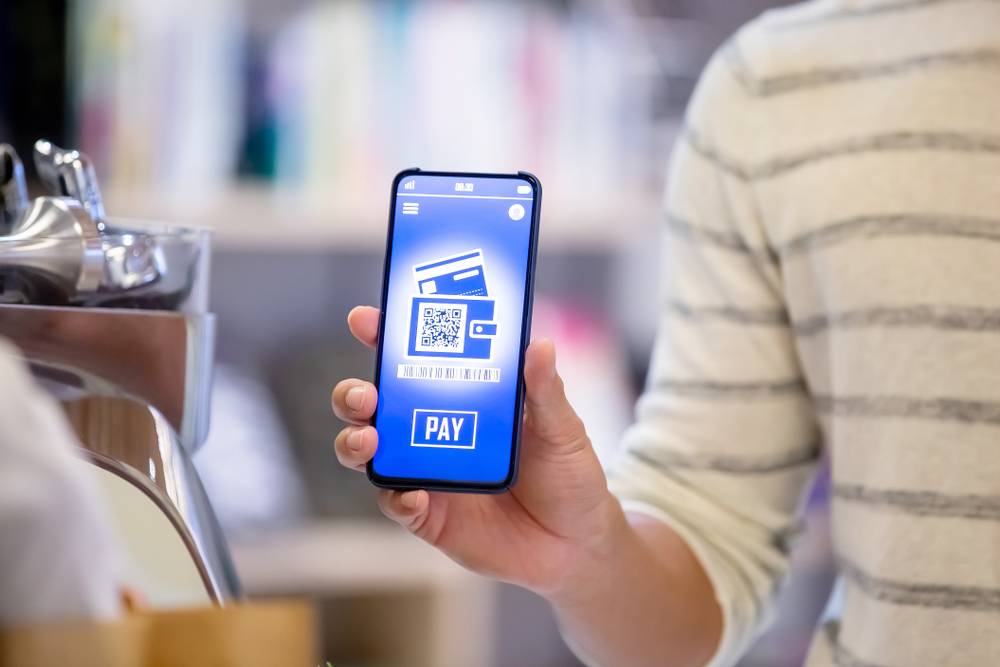
Today, digital payments encompass a wide range of solutions, including peer-to-peer (P2P) payments, QR code-based payments, cryptocurrency transactions, and biometric payments. The evolution of digital payments is not just about technology, but also about creating new, integrated ecosystems that make transactions faster, easier, and more accessible to everyone.
For instance, Venmo, Cash App, and Zelle have made sending money between individuals as simple as texting, providing a quick and seamless way to split bills, pay for services, or send funds to family and friends. Meanwhile, cryptocurrencies like Bitcoin and Ethereum are becoming increasingly popular for both consumers and businesses, offering decentralized payment options that do not rely on traditional banking systems.
2. The Technologies Driving Digital Payments
A number of technologies have contributed to the rapid adoption of digital payments in the past few years. These innovations have not only enhanced the speed and convenience of transactions but also made them more secure and efficient.
2.1 Near Field Communication (NFC) Technology
NFC is a technology that allows devices to communicate wirelessly over short distances (typically 4 inches or less). It is the backbone of many mobile payment systems, including Apple Pay, Google Pay, and Samsung Pay. With NFC-enabled devices, consumers can make payments simply by holding their smartphones near a compatible point-of-sale terminal. This contactless method of payment has become one of the most widely used and convenient forms of digital payment.
2.2 Blockchain and Cryptocurrencies
Blockchain technology, the foundation of cryptocurrencies like Bitcoin, is also making its mark on digital payments. Blockchain allows for secure, transparent, and decentralized transactions that do not require intermediaries such as banks. Cryptocurrencies are gaining traction as an alternative payment method for both individuals and businesses due to their potential for lower transaction fees, greater privacy, and increased security.
For example, businesses like Overstock, Newegg, and Microsoft accept Bitcoin and other cryptocurrencies for goods and services, opening up new possibilities for digital payments. While there are still challenges regarding volatility and regulation, cryptocurrencies are likely to continue growing in popularity as a digital payment method.
2.3 Artificial Intelligence (AI) and Machine Learning
Artificial intelligence and machine learning are becoming increasingly important in the world of digital payments. These technologies help improve payment security, detect fraud, and personalize the payment experience for users. AI can be used to analyze transaction patterns and detect unusual activity that might indicate fraudulent behavior, allowing for quicker intervention and reducing financial losses for both consumers and merchants.
Additionally, AI is being used to improve user experiences by offering personalized payment options, such as one-click payment systems, predictive analytics for payment preferences, and chatbots that assist with transaction-related queries.
2.4 Biometric Authentication
Biometric authentication, which involves using unique biological traits such as fingerprints, face recognition, or voice patterns to verify identity, is becoming a standard in digital payments. Biometric security is being integrated into smartphones, smartwatches, and other devices to facilitate secure payment authorization without the need for passwords or PIN codes.
For example, Apple Pay and Google Pay use fingerprint or facial recognition technology for authentication, allowing users to confirm payments with a simple touch or glance. This not only improves security but also enhances the user experience by making payments faster and more convenient.
3. The Benefits of Digital Payments
The widespread adoption of digital payments has brought a host of benefits to individuals, businesses, and economies worldwide. These advantages include enhanced convenience, greater financial inclusion, improved security, and increased economic efficiency.
3.1 Convenience and Speed
One of the most significant advantages of digital payments is the sheer convenience they offer. Gone are the days of carrying cash, counting change, or writing checks. Digital payments allow users to make transactions quickly and effortlessly using their smartphones, smartwatches, or computers. Whether it’s paying for a meal, booking a flight, or sending money to a friend, digital payments make the process faster, more convenient, and more efficient.
Moreover, the rise of contactless payments has further enhanced this convenience. Consumers can now make in-store payments in a matter of seconds with a simple tap of their smartphone or card, reducing wait times and making the transaction process smoother.
3.2 Financial Inclusion
Digital payments have the potential to increase financial inclusion, especially in developing regions. According to the World Bank, an estimated 1.7 billion people globally remain unbanked. Many of these individuals do not have access to traditional banking services but do have access to mobile phones. Digital payment systems, including mobile money services like M-Pesa in Kenya, have enabled millions of people to send, receive, and store money without needing a traditional bank account. This has been a game-changer in countries with large populations that are underbanked or unbanked.
Mobile wallets and payment apps also allow businesses to reach a broader customer base by enabling online payments, reducing reliance on cash transactions, and facilitating e-commerce.
3.3 Security and Fraud Prevention
Digital payments offer improved security compared to traditional payment methods, primarily due to the encryption and authentication technologies employed. Payments made through digital platforms often require multiple layers of authentication, such as biometrics, passwords, and two-factor authentication, making it more difficult for fraudsters to intercept or steal funds.
For businesses and consumers alike, the ability to track transactions in real-time helps prevent fraud and disputes. Additionally, blockchain technology, with its decentralized ledger, has proven to be particularly secure, offering transparency and protection against manipulation.
3.4 Economic Efficiency
Digital payments have streamlined the global economy, making it easier for individuals and businesses to transact across borders. Digital payment systems are quicker and more efficient than traditional payment methods, reducing transaction fees, eliminating the need for physical cash handling, and improving cash flow for businesses.
For example, businesses no longer need to wait for checks to clear or deal with the costs associated with handling physical currency. Digital payment platforms can facilitate instant payments, providing businesses with faster access to funds and reducing the time between transactions.
4. The Challenges and Risks of Digital Payments
While digital payments have brought numerous benefits, there are also challenges and risks that need to be addressed to ensure the continued growth and success of this technology.
4.1 Privacy and Data Security Concerns
With the widespread use of digital payments comes the need for robust data protection. Digital payment systems collect and store large amounts of personal information, including transaction histories, financial data, and biometric information. If not properly secured, this data could be vulnerable to cyberattacks, identity theft, and privacy breaches.
Regulations like the General Data Protection Regulation (GDPR) in Europe have been implemented to protect users’ data and ensure that digital payment providers are accountable for securing sensitive information. However, as digital payment systems continue to evolve, the risk of data misuse remains a concern.
4.2 Cybercrime and Fraud
While digital payment platforms are generally more secure than traditional methods, they are not immune to fraud. Cybercriminals use sophisticated methods, such as phishing, hacking, and malware attacks, to gain access to users’ financial information and steal funds. As the use of digital payments increases, so does the threat of cybercrime.
Companies in the digital payment space must continually update their security measures and educate users on safe practices to protect against fraud. Consumers should also remain vigilant and follow best practices for protecting their financial information.
4.3 Dependence on Technology
Digital payments rely heavily on technology infrastructure, including smartphones, internet access, and payment platforms. In regions with poor internet connectivity or limited access to technology, the adoption of digital payments may be hindered. Furthermore, technical failures, such as service outages or software bugs, can disrupt payment systems, affecting businesses and consumers alike.
5. The Future of Digital Payments
The future of digital payments looks promising, with continued advancements in technology, an expanding global user base, and innovations in blockchain, artificial intelligence, and biometric authentication. The next phase of digital payment evolution will likely involve further integration with emerging technologies, creating even more secure, efficient, and personalized payment experiences.
As digital payments become more ubiquitous, we can expect to see greater interoperability between different payment systems, allowing consumers to use a single payment platform across multiple devices, regions, and services. The rise of central bank digital currencies (CBDCs) could also play a significant role in the future, as governments look to digitize national currencies for faster, more secure transactions.
Overall, digital payments are not just a trend—they are the future of how we manage money. With increasing adoption, more secure systems, and innovations that make payments easier, it is clear that digital payments will continue to be an integral part of our daily lives.