



























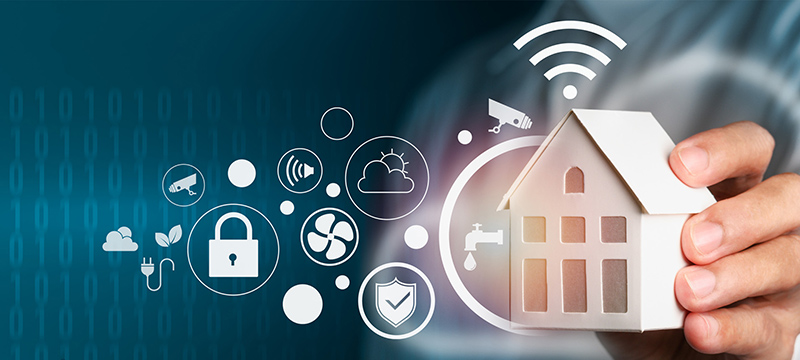
The rapid development of the Internet of Things (IoT) has brought about a profound transformation in how we live and interact with our surroundings. One of the most significant beneficiaries of IoT innovation is the smart home system, which has evolved from a futuristic concept to an increasingly mainstream reality. The integration of IoT technology into home systems has not only made everyday tasks more convenient but has also introduced a level of intelligence and personalization that was previously unimaginable.
As IoT technology continues to advance, smart homes are becoming not just more automated but also more attuned to individual needs, preferences, and behaviors. With the help of AI-driven insights, smart home systems are learning from user interactions, adapting to their routines, and offering a level of personalized experience that enhances convenience, security, and energy efficiency. In this article, we will explore how IoT is shaping the future of smart homes, the benefits and challenges associated with these advancements, and the potential for further innovations that will redefine how we live in the coming years.
1. Introduction to Smart Homes and IoT
1.1 What is the Internet of Things (IoT)?
The Internet of Things (IoT) refers to the network of physical objects or “things” that are embedded with sensors, software, and other technologies to connect and exchange data with other devices and systems over the internet. These connected devices can range from everyday household items, such as thermostats, refrigerators, and light bulbs, to more complex systems like security cameras, smart speakers, and health-monitoring devices.
In the context of smart homes, IoT enables devices to communicate with one another, allowing homeowners to control, monitor, and automate various functions within the home remotely or autonomously. These devices are connected to a central hub or application, where they share data and work together to provide a more seamless, efficient, and personalized living environment.
1.2 What Makes a Home “Smart”?
A smart home is one where everyday household functions are automated and controlled through internet-connected devices. These homes typically include:
- Smart Lighting: Lighting systems that can be controlled remotely or programmed to adjust based on time of day, occupancy, or ambient lighting conditions.
- Smart Thermostats: Thermostats that learn user preferences and adjust temperature settings automatically for optimal comfort and energy savings.
- Smart Security: Security systems that include cameras, motion sensors, door locks, and alarms that can be monitored and controlled remotely.
- Voice Assistants: Devices like Amazon’s Alexa, Google Assistant, and Apple’s Siri that enable voice-controlled operation of various devices within the home.
- Smart Appliances: Kitchen and household appliances like refrigerators, ovens, and washing machines that are connected to the internet, providing functionality such as remote monitoring, notifications, and advanced features.
With the integration of IoT into these systems, smart homes are not only automated but also capable of adapting to the needs and preferences of the occupants. The next generation of smart homes is intelligent and personalized, with devices that can learn from daily activities and anticipate user needs.
2. The Role of IoT in Making Homes Smarter
2.1 Automation and Convenience
One of the primary benefits of IoT technology in smart homes is the ability to automate routine tasks, reducing the need for manual intervention. Tasks like adjusting the thermostat, turning off lights, or locking doors can be done automatically, based on user preferences or time-based triggers.
For example:
- Smart Thermostats: Devices like the Nest Thermostat learn a homeowner’s schedule, adjusting the temperature when the home is empty and bringing it back to a comfortable level before the occupants return. The system can also be controlled remotely through a mobile app, allowing homeowners to adjust the temperature before they arrive home.
- Smart Lighting: Smart bulbs like Philips Hue can be programmed to turn on or off at specific times, or they can adjust brightness based on the amount of natural light in a room. Furthermore, they can be controlled via voice commands, apps, or even gesture-based interfaces.
- Smart Plugs and Appliances: Devices like TP-Link’s Kasa Smart Plugs allow users to control non-smart devices by turning them on and off remotely, making traditional appliances like fans, coffee makers, and lamps part of a connected, automated home ecosystem.
By automating such tasks, IoT makes everyday living more convenient and efficient, freeing up time for homeowners and offering a more seamless living experience.
2.2 Personalization: Adapting to User Preferences
As IoT devices collect data about user behavior, smart home systems are becoming increasingly personalized. Through machine learning and AI algorithms, these systems can learn user preferences, habits, and routines, and adjust home settings accordingly.
For instance:
- Personalized Climate Control: Smart thermostats do not just adjust to a schedule; they learn the user’s comfort preferences and automatically fine-tune settings for the most energy-efficient and comfortable environment. Over time, they can predict the temperature settings needed at specific times of day or based on external weather conditions.
- Lighting Scenes: Smart lighting systems can create customized lighting “scenes” based on user activities or moods. For example, you might set a “movie night” scene with dimmed lights, or a “wake-up” scene with gradually increasing light intensity to simulate sunrise.
- Voice-Activated Assistants: Voice assistants like Amazon Alexa and Google Assistant learn your voice and respond to specific commands, such as turning off lights, adjusting thermostats, or providing news updates. Over time, these assistants adapt to the nuances of your speech, offering more accurate responses and personalized suggestions.
The more users interact with these systems, the smarter and more personalized their homes become, creating environments that feel tailored to individual needs and preferences.
2.3 Energy Efficiency and Sustainability
IoT-enabled smart homes contribute significantly to energy efficiency and sustainability by optimizing energy usage based on real-time data. This helps homeowners save money on energy bills while reducing their carbon footprint.
Examples include:
- Smart Thermostats: These devices track energy consumption patterns and adjust temperature settings to minimize energy waste when the house is unoccupied. For instance, when you leave for work, the thermostat adjusts to a more energy-efficient mode, only warming or cooling the house just before you return.
- Smart Appliances: Appliances like washing machines and refrigerators are increasingly designed to optimize energy usage. For instance, smart dishwashers can adjust water usage and energy consumption based on load size, while refrigerators monitor and control internal temperatures for energy savings.
- Smart Meters: IoT-enabled smart meters can track electricity usage in real time and provide homeowners with insights into their energy consumption patterns. Some systems even offer suggestions for reducing energy use based on peak times and more efficient alternatives.
By providing continuous feedback and automation, IoT technologies empower homeowners to manage their energy consumption in real time, contributing to both financial savings and a more sustainable lifestyle.
3. Security and Safety: Enhancing Home Protection
3.1 Smart Security Systems
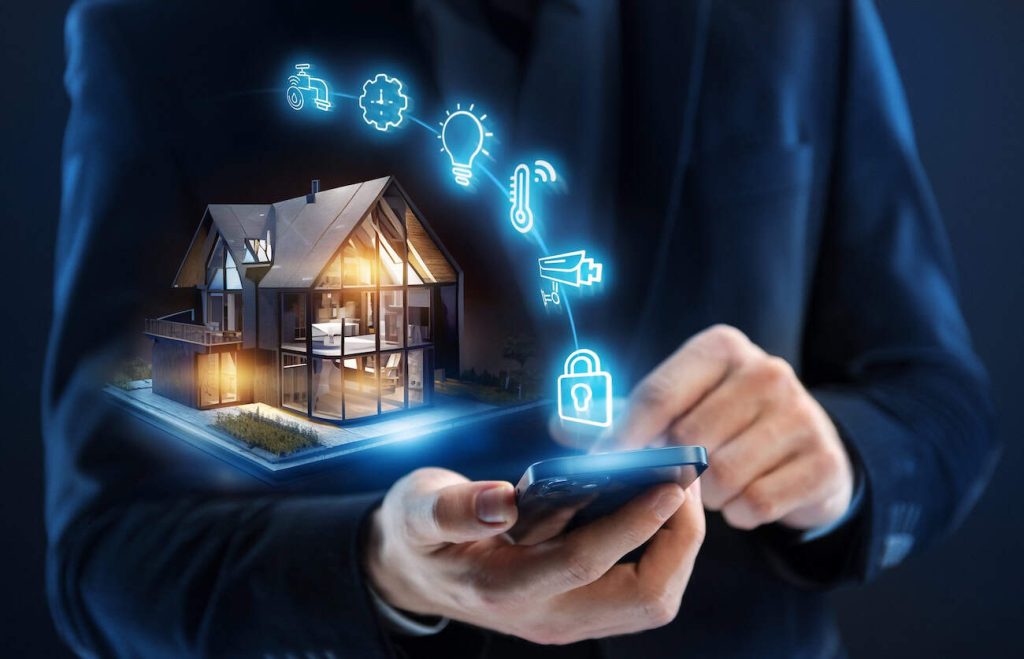
One of the primary motivations for adopting a smart home system is increased security. IoT-powered security systems provide homeowners with greater control and visibility over their home’s safety. These systems offer features such as:
- Remote Monitoring: With connected cameras, homeowners can monitor their home in real time, receiving notifications about suspicious activities or intrusions via smartphone apps.
- Smart Doorbells: Devices like Ring allow users to see and communicate with visitors at their door through their smartphones, even when they are not at home. Some doorbells are equipped with motion sensors that send alerts when someone approaches the door.
- Automated Locking Systems: Smart locks enable users to lock and unlock doors remotely or automatically based on proximity. For example, some systems unlock the door as soon as the homeowner approaches with their smartphone or smartwatch, improving convenience while ensuring safety.
- Environmental Monitoring: IoT-enabled systems can also detect environmental hazards like carbon monoxide, smoke, and water leaks, providing early warnings that can help prevent accidents or damage to the home.
The integration of IoT into home security makes it easier to protect your home and family, while also offering greater peace of mind.
3.2 Safety for Elderly or Disabled Residents
For individuals with limited mobility or elderly residents, IoT-enabled smart home systems can offer increased safety and independence. For example:
- Fall Detection: Wearables connected to smart home systems can detect when a fall occurs and automatically send alerts to caregivers or family members, reducing the response time in emergencies.
- Health Monitoring: Devices like smart watches and health trackers can monitor vital signs such as heart rate, oxygen levels, and sleep patterns, and alert users or medical professionals if there are any concerns.
- Voice Assistance: For individuals with limited mobility, voice-activated systems provide a hands-free way to control the environment, from adjusting the thermostat to turning on lights or making phone calls.
These IoT solutions can enhance the quality of life and provide greater independence for vulnerable individuals, ensuring that they have the assistance they need when they need it.
4. Challenges and Considerations in Smart Home Adoption
4.1 Security and Privacy Concerns
As smart homes become increasingly connected, concerns about privacy and data security are paramount. The more devices that are connected to the internet, the greater the risk that sensitive data could be accessed or exploited by malicious actors.
Some potential risks include:
- Hacking: Hackers may target smart home devices to gain unauthorized access to sensitive information, such as passwords, bank details, or video feeds.
- Data Collection: Many smart home devices continuously collect data on user behavior and preferences, raising concerns about how this data is stored and who has access to it.
To address these concerns, manufacturers must prioritize security features such as data encryption, multi-factor authentication, and regular software updates to protect against vulnerabilities.
4.2 Interoperability and Integration
While IoT offers great potential, interoperability between different devices and platforms can be a significant challenge. Smart home devices often come from various manufacturers, each with their own protocols and standards. This can lead to compatibility issues, where certain devices don’t work well together, or require multiple apps to control different functions in the home.
Solutions to this problem include the development of universal standards for smart devices and greater integration among platforms like Amazon Alexa, Google Assistant, and Apple HomeKit.
5. Conclusion: The Future of Smart Homes and IoT
The future of smart homes is incredibly promising, with IoT technology enabling a level of automation, intelligence, and personalization that makes living more convenient, efficient, and secure. As IoT continues to evolve, homes will become increasingly attuned to the needs and preferences of their inhabitants, offering tailored experiences that optimize energy usage, enhance safety, and improve quality of life.
While challenges such as security, privacy, and interoperability remain, the ongoing development of smarter and more secure devices, alongside the rise of universal standards, will help mitigate these issues. As smart homes become more integrated into everyday life, they will redefine how we live, work, and interact with our environment, ultimately making homes more intelligent, connected, and responsive to the needs of their occupants.
In the coming years, IoT-powered smart homes will likely become the norm, ushering in a new era of personalized living where technology serves as a seamless extension of our daily lives.